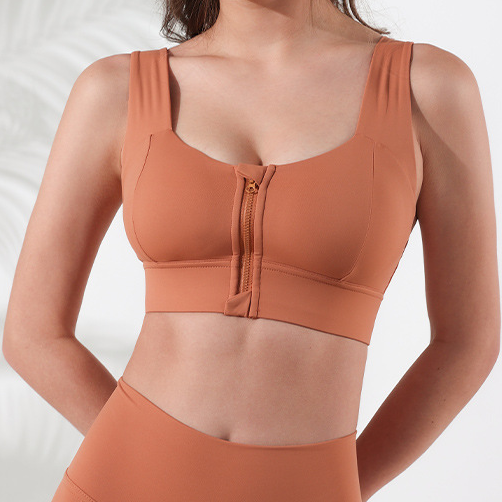
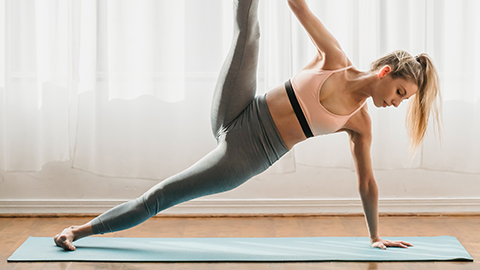

The autumn and winter sports scenes are diverse, whether it’s outdoor running, cycling, hiking, indoor yoga, fitness shaping, the demand for bra fabrics is different from summer. Summer fabrics pursue ultimate lightweight and breathability, while autumn and winter fabrics need to overcome three core challenges.
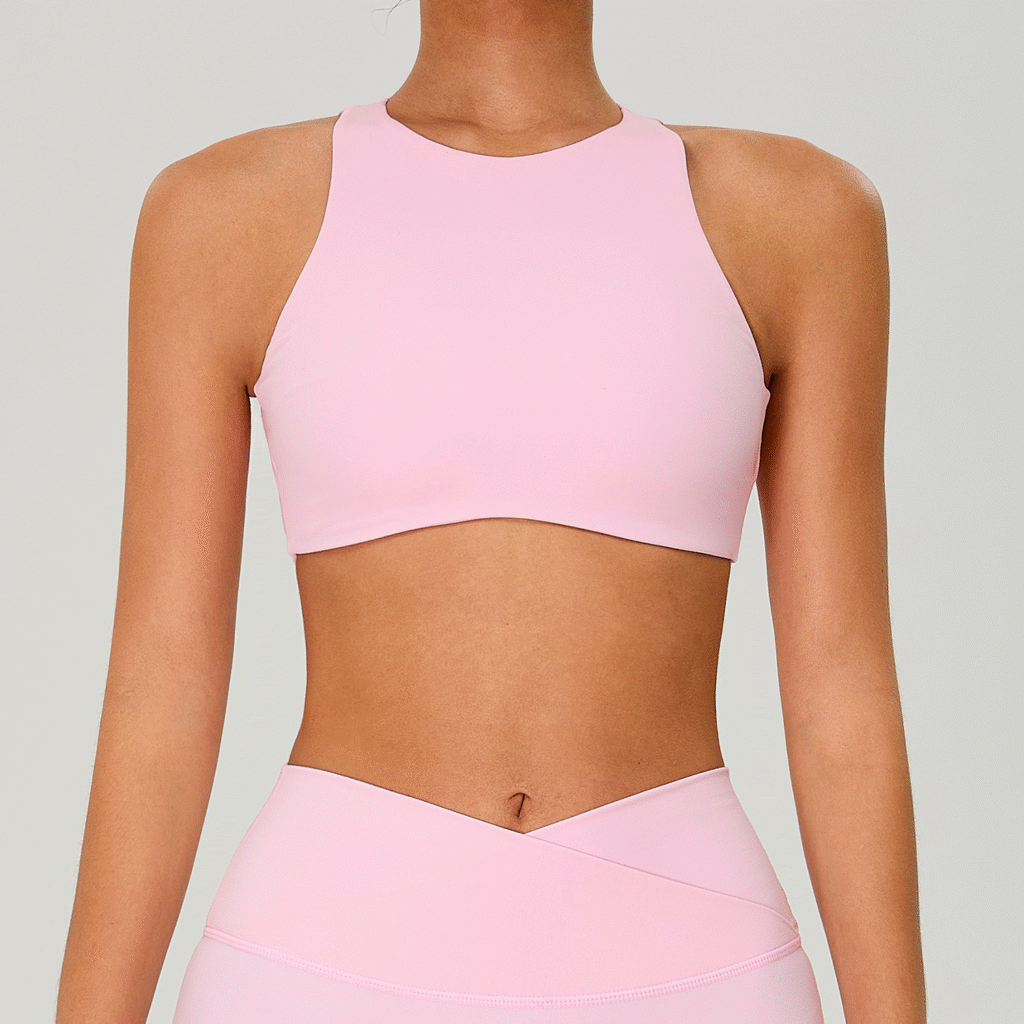
Keep warm at a constant temperature and refuse to be afraid of cold or catching a cold
In the low temperature environment of autumn and winter, the body dissipates heat quickly after static warm-up and exercise. Ordinary thin fabrics cannot resist the cold wind, and the skin close to the body is prone to rapid cooling, causing catching a cold and muscle tightness. High quality autumn and winter fabrics need to have basic temperature locking ability, form a gentle and warm layer that fits the skin, and lock in surface heat.
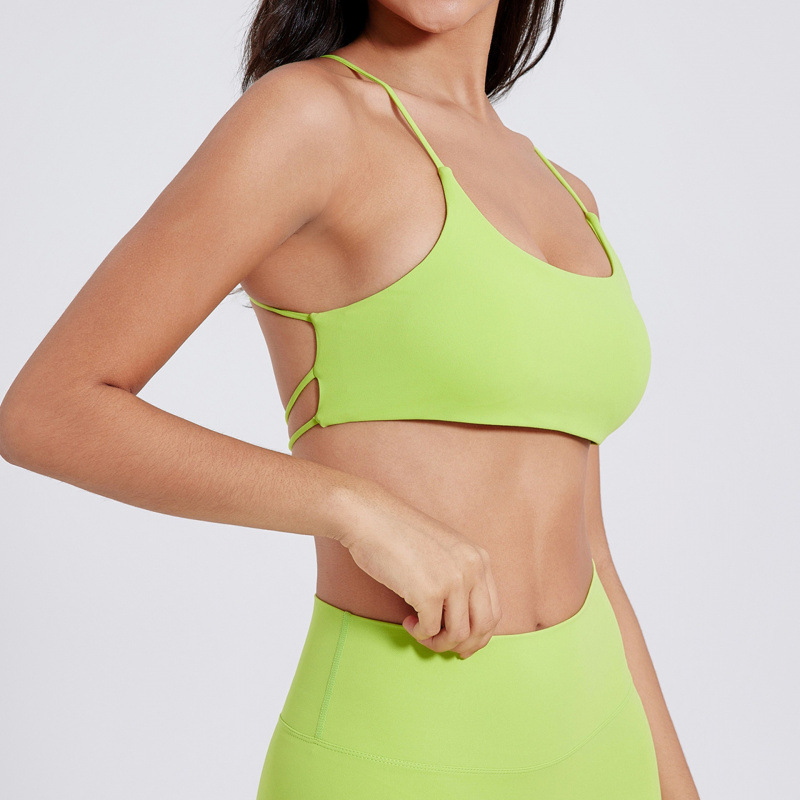
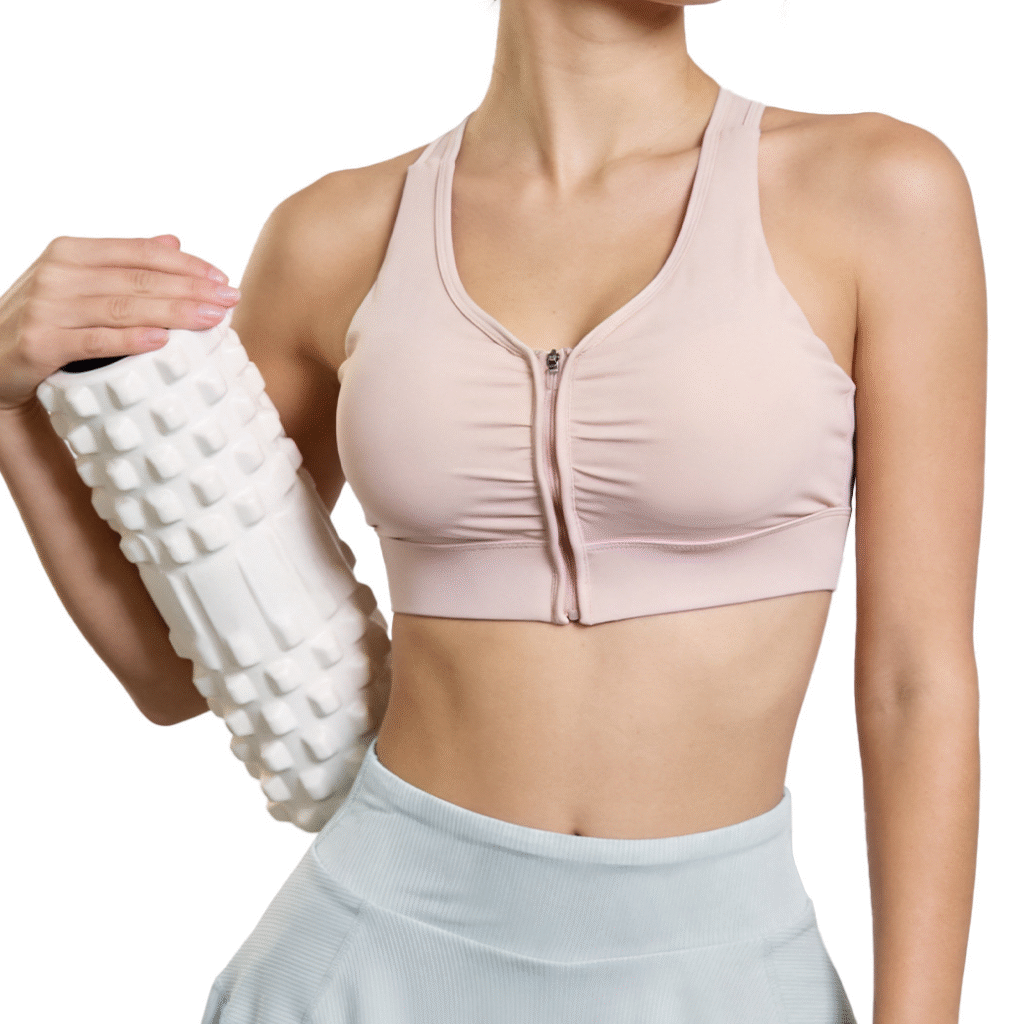
Quick drying without stuffy sweat, eliminating dampness, coldness, and stickiness
Although the amount of sweat during autumn and winter sports is not as abundant as in summer, the evaporation rate of sweat is slow. Ordinary pure cotton fabrics cannot dry quickly after absorbing water, and will firmly adhere to the skin. When the cold wind blows, it instantly forms a “wet and cold feeling”, which not only makes the body uncomfortable, but also easily catches a cold. Therefore, the fabric must achieve rapid moisture wicking, quick drying, and sweat wicking to keep the skin dry and comfortable.
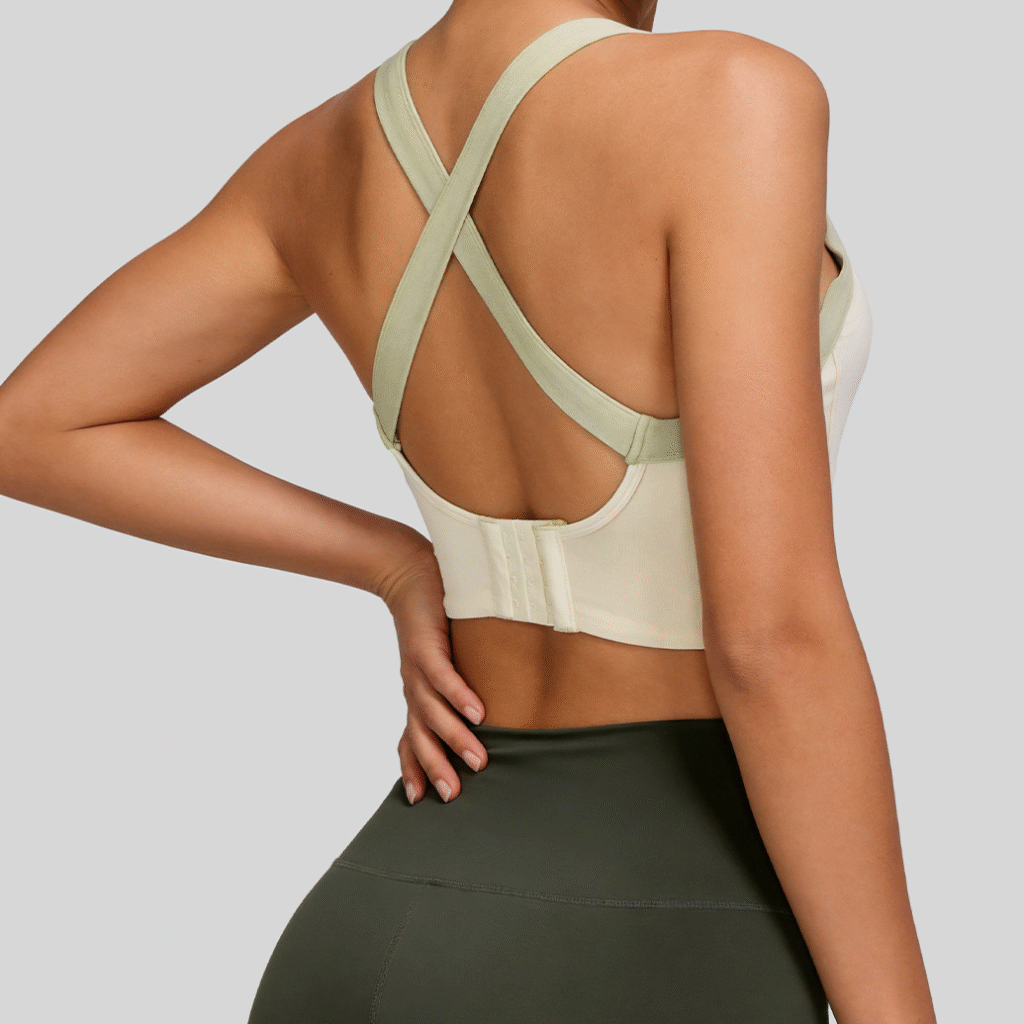
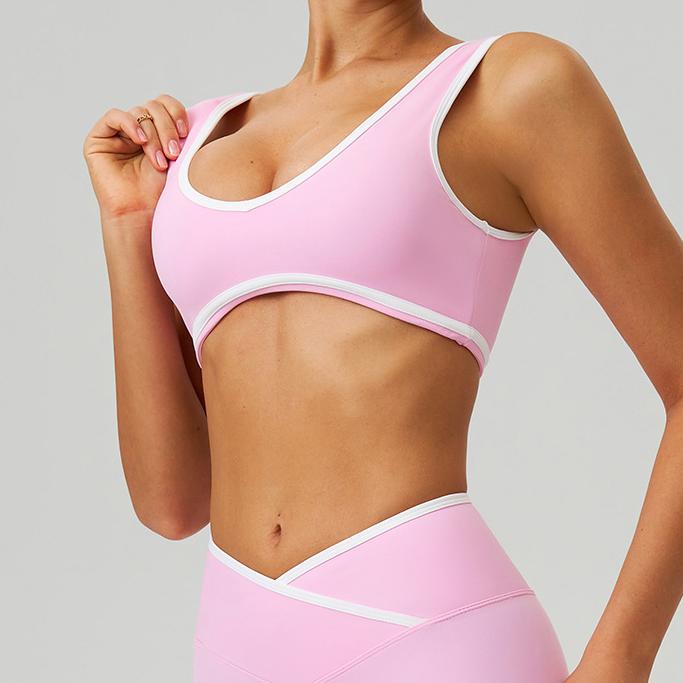
Skin friendly, wear-resistant, and highly elastic fit
Autumn and winter clothing tends to be heavy, with outer hoodies and sports jackets having higher friction. The fabric of the close fitting bra needs to be soft and skin friendly, non abrasive, and have high elasticity, suitable for large body movements, fitting the body without tightness or displacement, balancing support and comfort. In addition, the antibacterial and deodorizing properties of high-quality fabrics can also solve the problem of odor caused by low frequency of changing clothes in autumn and winter.